
September 25, 2008
-
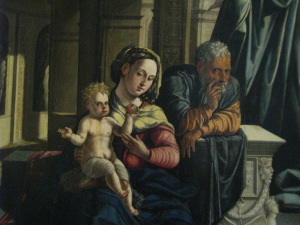
L’ Aquila, Italy market and museum
Off to L’Aquila, the capital city of Abruzzo, founded by the Hohenstaufen Emperor Frederick II if you care about these things. We arrived in time for market day, where we could choose between fruit and pajamas, vegetables and copper pots, kitchen towels and calipers, or the latest fashions from Milan (sort of). A tour of…
-
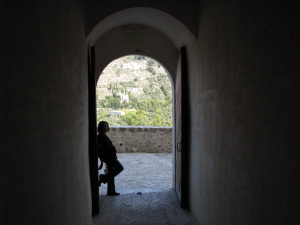
Two days in Spoleto
A beautiful drive through the mountains took us to the charming arts-colony town of Spoleto. Famous for the Spoleto international arts festival, Spoleto also offered to us a hotel OUTSIDE the wall of the historic center, WITH a parking space (yay). We checked in to the Hotel Clarici, then spent two days exploring. The Museum…
TRAVEL LINKS
Posts by date
- April 2026
- February 2024
- January 2023
- August 2022
- September 2019
- June 2017
- October 2016
- September 2016
- June 2015
- February 2015
- September 2014
- July 2014
- March 2014
- March 2013
- February 2013
- December 2012
- September 2012
- September 2010
- August 2010
- June 2010
- March 2010
- December 2009
- June 2009
- March 2009
- December 2008
- November 2008
- October 2008
- September 2008
- August 2008
Categories
- Barcelona
- BMW
- cabin
- Conner
- family
- fish
- Florida
- France
- Ireland
- Italy
- Las Vegas
- Mississippi
- New Orleans
- Nicky Six Toes
- Paris
- Russia
- Sicily
- Spain
- Texas
- Vienna
- wacky
- wedding
Recent Posts

Tags
Allison Quinn wedding Arezzo Barcelona 2016 bass Bologna cabin Christmas 2008 Colle di Val d'Elsa Conner Ely fish Florence Florida 2013 France 2010 France 2016 grapes halloween Ireland Italy 2008 Italy 2009 Italy 2014 Italy 2015 L'Aquila Langloi Las Vegas Lucignano Lucy Lundeby Daze mel Morning Call Nevada 2013 Nevada 2014 New Orleans New Orleans 2015 Nick Oak Alley Paris 2016 Recipe Roccamorice Russia 2017 San Luciano Wine shirley Sicily 2014 Spain 2012 Sulmona